

About the practice.
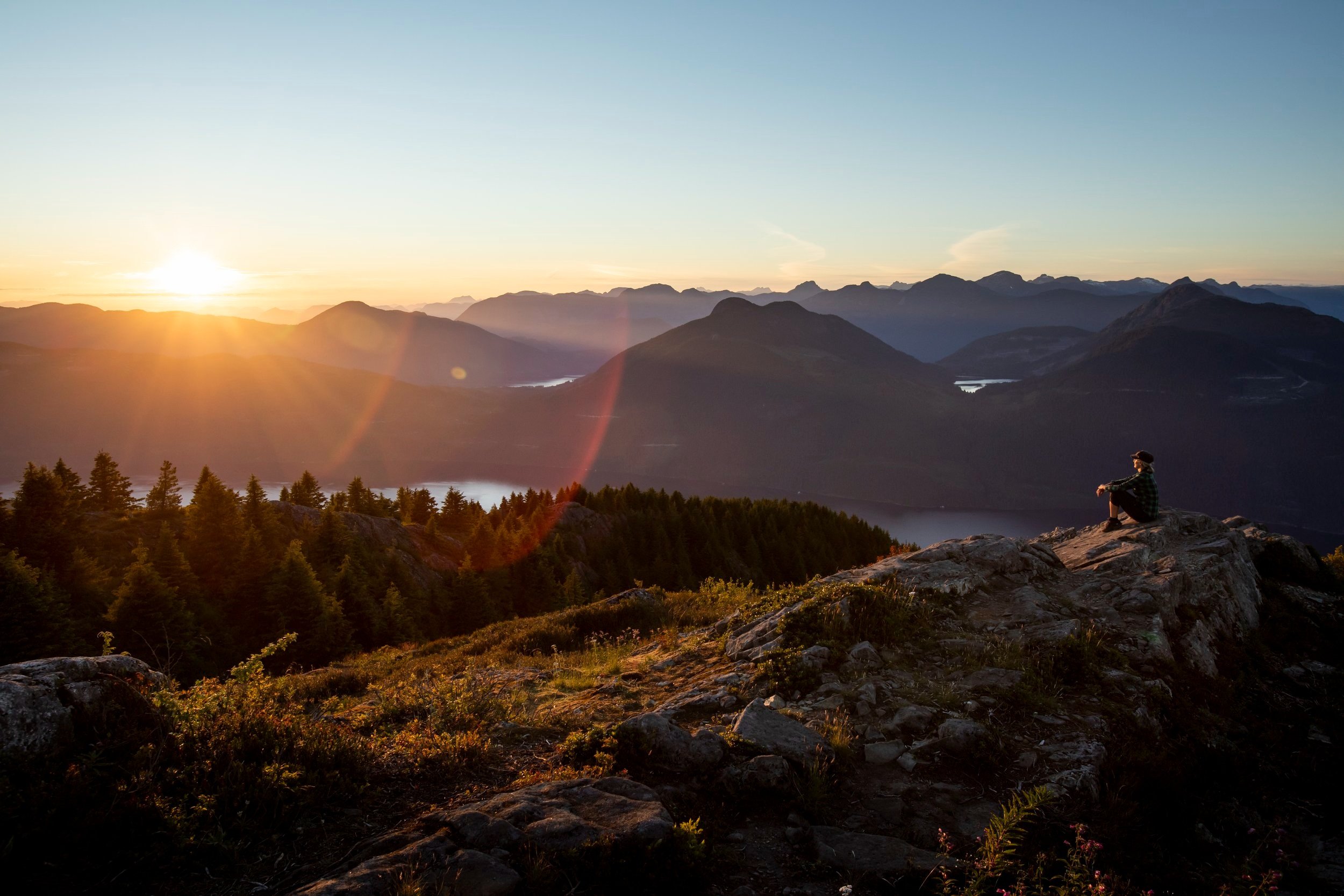
The story behind Seeking Sunrise.

The name Seeking Sunrise comes from a simple truth. Even after the darkest nights, we can move toward something brighter. The climb is not always easy, and some days it feels steep, but the weight softens when someone walks beside you. With presence. With humour. With honesty. With space to be your full self, messy parts included.
The logo, showing a person and a dog standing at the base of a mountain, reflects what this practice is about. The mountain represents the challenges life places in front of us. The human and dog symbolize companionship, steadiness, and support along the way. No one is meant to make the climb alone. Healing is not about racing to the top, but about taking one step at a time, sometimes stumbling, sometimes laughing, sometimes swearing, and sometimes crying with someone beside you.
Seeking Sunrise grew from both professional experience and personal loss. I have walked through my own seasons of mental health challenges, including the grief of losing loved ones to suicide. Those losses shaped the heart of this practice. They deepened my belief that people need spaces where they can be honest, held, and met with compassion rather than judgment. They also taught me how much it matters to have someone beside you when the path feels heavy.
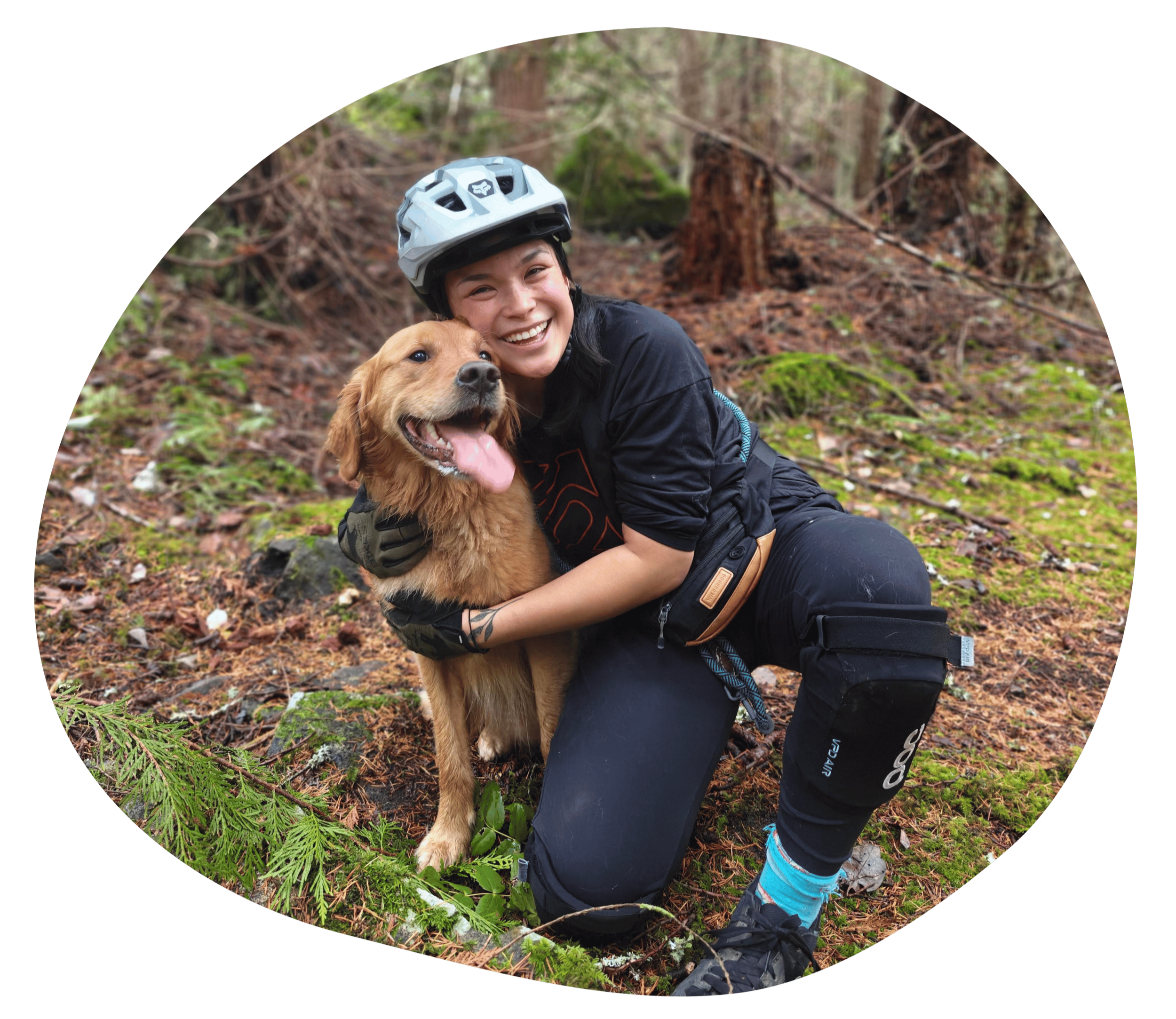
Being outdoors helped me find my footing during some of the most difficult chapters of my life. Nature offered clarity, steadiness, and breath when everything else felt overwhelming. Those experiences, along with years of working in community mental health and land-based programs, showed me the healing power of movement, relationship, and connection to land. I am grateful to the teachers and Elders who guided me in understanding what it means to slow down, listen deeply, and honour the land as part of the therapeutic process.
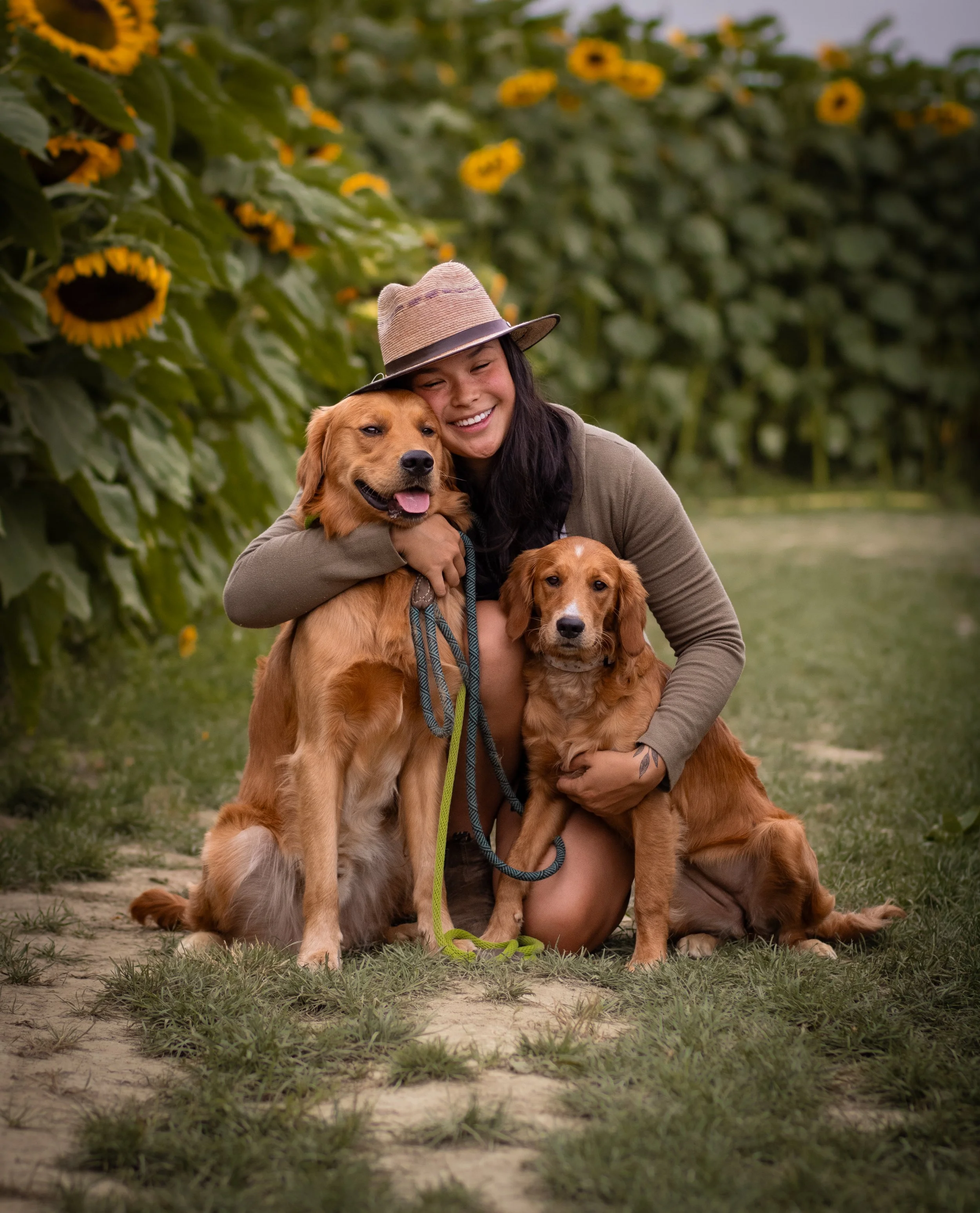
Today, Seeking Sunrise brings those values into practice through walk-and-talk therapy, kayak therapy, and animal-assisted sessions with Parker, my warm-hearted and wonderfully goofy therapy dog. These approaches help people feel more at ease, breathe more freely, and open up in ways that feel natural instead of pressured.
A sunrise is not always dramatic. Sometimes it is a flicker of hope, a small shift, or the courage to keep going. Sometimes it is simply deciding to try again, even when getting out of bed feels impossible. Seeking Sunrise reflects what I believe. Healing unfolds in small moments, honest connection, and the gentle reminder that you do not have to walk this path alone.
Meet your co-therapists

My Guiding Values
My practice is rooted in few guiding values:
Relational care
I believe healing happens in connection. I show up with warmth, humility, and presence, and I care deeply about creating a space where you feel seen. While compassion is at the centre of my work, therapy with me is not just about talking. It is about real change, which sometimes means gentle challenge, honest questions, and sitting together in the harder moments so that new possibilities can take root.Trauma-informed and client-centred
You are the expert on your own life. I will always honour your pace and what feels safe for you. My role is to walk alongside you, bringing tools, support, and curiosity, while you guide the direction.Land and body wisdom
Healing does not live only in our minds. Our bodies and the land also hold wisdom and stories. Therapy with me may include gentle walking, being outdoors, or, if you choose, working alongside Parker, my trained goofy therapy dog. Sometimes the best conversations happen while moving or with a dog curled at our feet.Reciprocity and community care
My work is part of a larger circle. Inspired by the 1% for the Planet model, I donate 1% of practice income to Swiya Farms, an Indigenous-led regenerative farm that grows food for hospital patients, Elders, and the wider community while restoring the land. This is one way I honour the land and the people who care for it.
Areas of Focus
Emotional Well-Being
Depression and Anxiety
Burnout and Overwhelm
Grief and Loss (including Pet Loss)
Perfectionism and People-Pleasing
Self-Esteem and Self-Compassion
Stress & Nervous System Regulation
Emotional Regulation
Relationships & Boundaries
Relationship Anxiety and Conflict
Navigating Challenging Relationships
Boundary Setting and Communication
Inner Child and Attachment Wounds
Life Changes & Identity
Life Transitions and Uncertainty
Bi-Cultural Identity and Cultural Challenges
Neurodiversity (ADHD and Autism)
Identity Exploration (Gender, Culture, Belonging)
Career and Work-Life Boundaries

Healing in Connection with Nature and Animals
The Healing Presence of Animals
Research shows that animals can play a profound role in supporting emotional health. The presence of a therapy dog, for example, has been linked to reduced anxiety, lowered blood pressure, and increased release of oxytocin, often referred to as the “bonding hormone,” which promotes trust and calm. Simply petting or sitting near an animal can soothe the nervous system and support emotional regulation.
Animals also offer something uniquely healing through unconditional acceptance. They do not judge, interrupt, or expect. Their steady presence creates a sense of safety that can make it easier for people to open up, share difficult emotions, or sit quietly with silence. For children, youth, and adults alike, therapy animals can reduce feelings of isolation while bringing warmth and comfort into the counselling process.
In my practice, Parker, my therapy dog, often helps bridge the space between client and counsellor. His presence invites connection in ways that words sometimes cannot. Research supports what many of us know intuitively. Animals remind us that healing often unfolds through relationship, trust, presence, and connection.
The Grounding Power of Nature
Research also shows that time in nature is more than a nice experience. It has measurable impacts on our mental, emotional, and physical health. Being outdoors lowers stress hormones, reduces symptoms of anxiety and depression, and improves focus and emotional regulation. Even short walks in green spaces can increase feelings of calm and restore attention when life feels overwhelming.
For many people, being in nature brings a sense of perspective and connection. It reminds us that change and growth are natural processes, and that we are part of something larger. This can be especially grounding during times of grief, transition, or uncertainty.
In counselling, nature also changes the dynamics of how we relate. Walking side by side rather than sitting face-to-face can make conversations feel less pressured, allowing thoughts and emotions to flow more freely. Movement and fresh air help clients feel more comfortable, while the natural world itself offers moments of pause, reflection, and grounding.