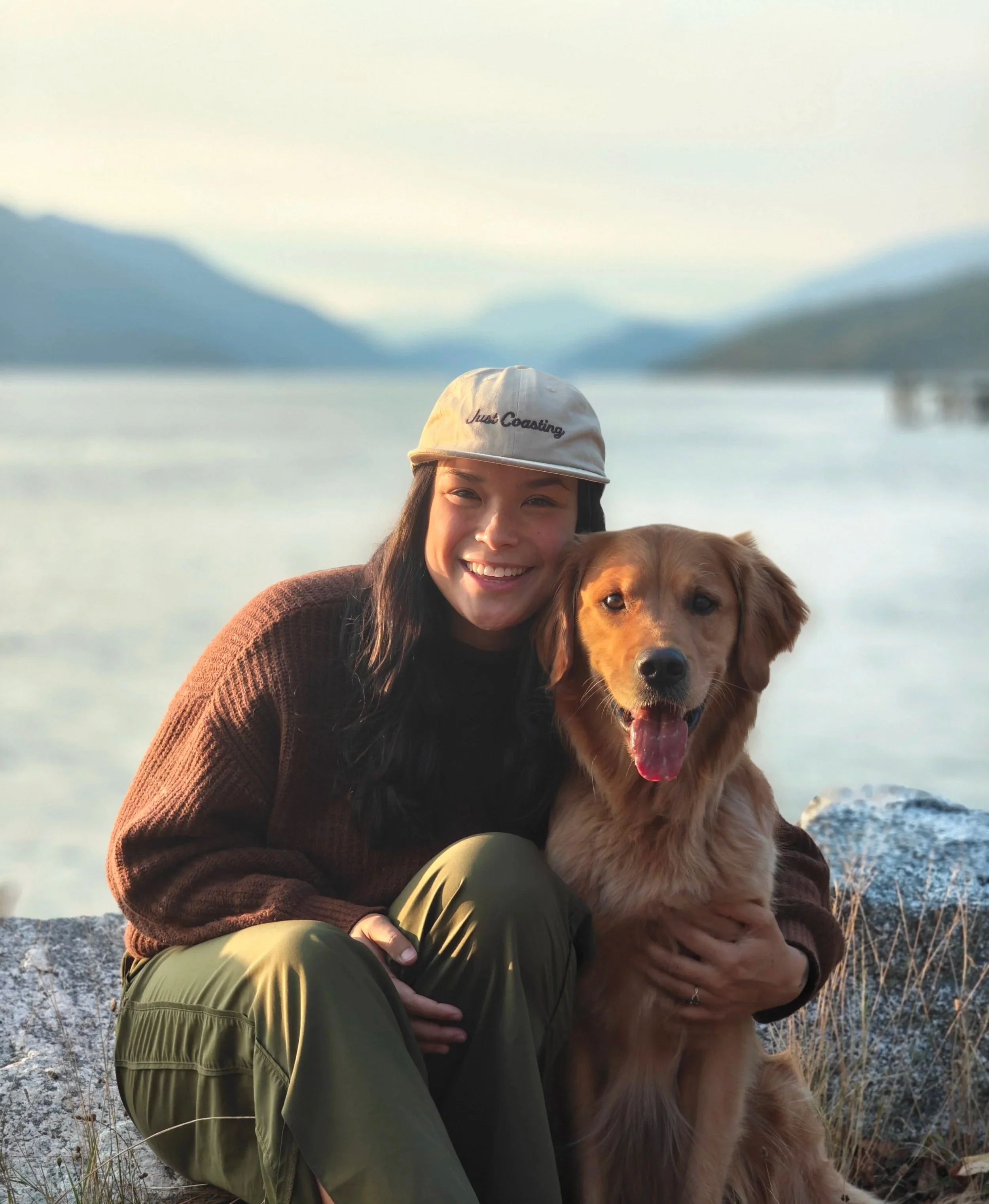
Parker the Therapy Dog

Meet Parker
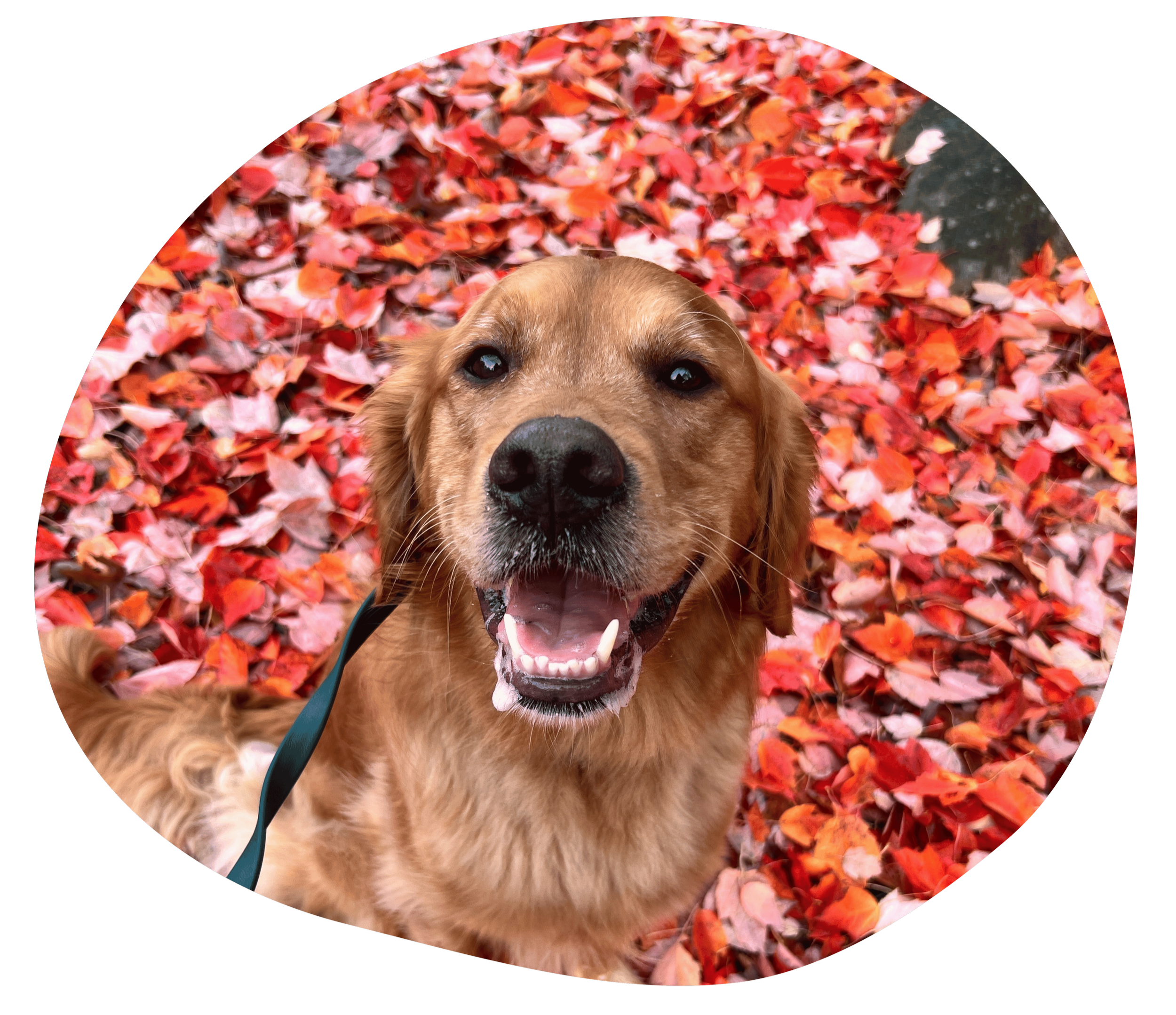
Parker is my four-legged co-therapist, emotional support teammate, and loyal shadow. I chose him as a puppy more than four years ago specifically for this kind of work. Even then, his temperament stood out. He was the calm, steady one in the litter while everyone else was busy causing adorable chaos. I worked closely with his breeder to make sure he had the right start, and he has grown into exactly the gentle, grounded dog I hoped he would become, with just enough ridiculous charm to keep things light.
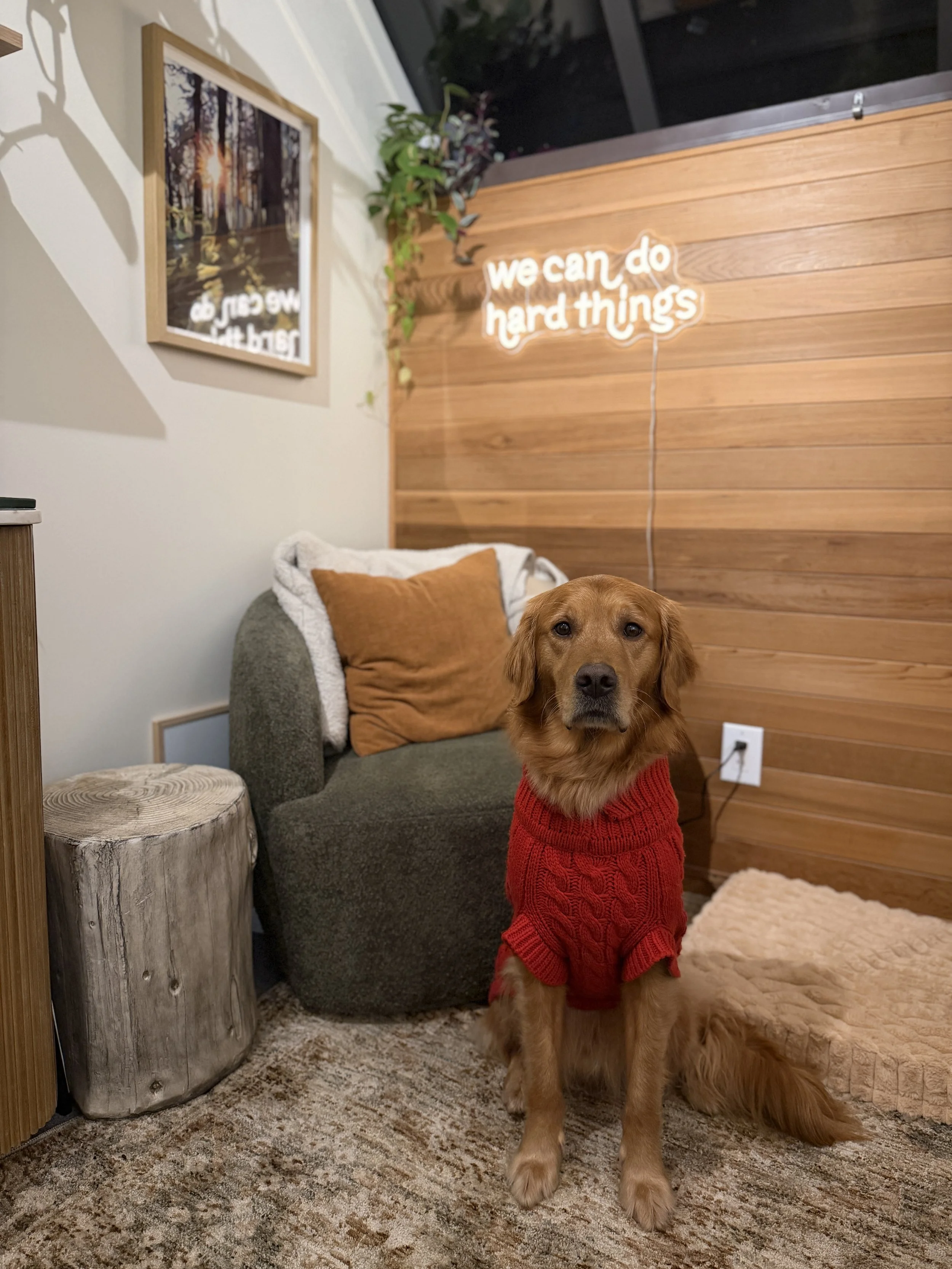
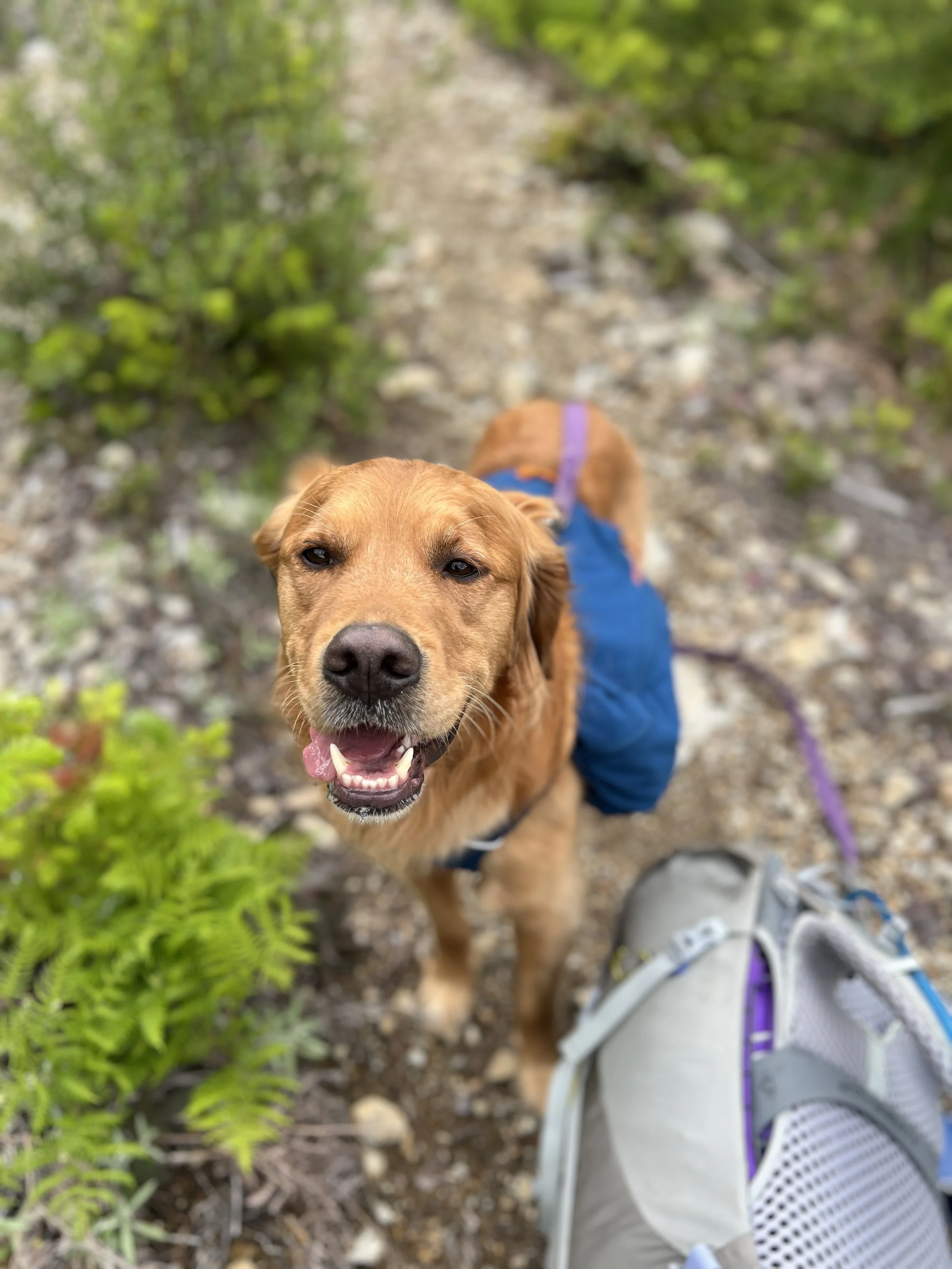
Parker is a golden retriever with a big heart and an easygoing spirit. Whether he is curled up like a cozy rug on the floor or quietly creeping in for an unsolicited kiss, he brings something into the room that is difficult to put into words. There are moments where he offers a kind of comfort that I simply cannot.
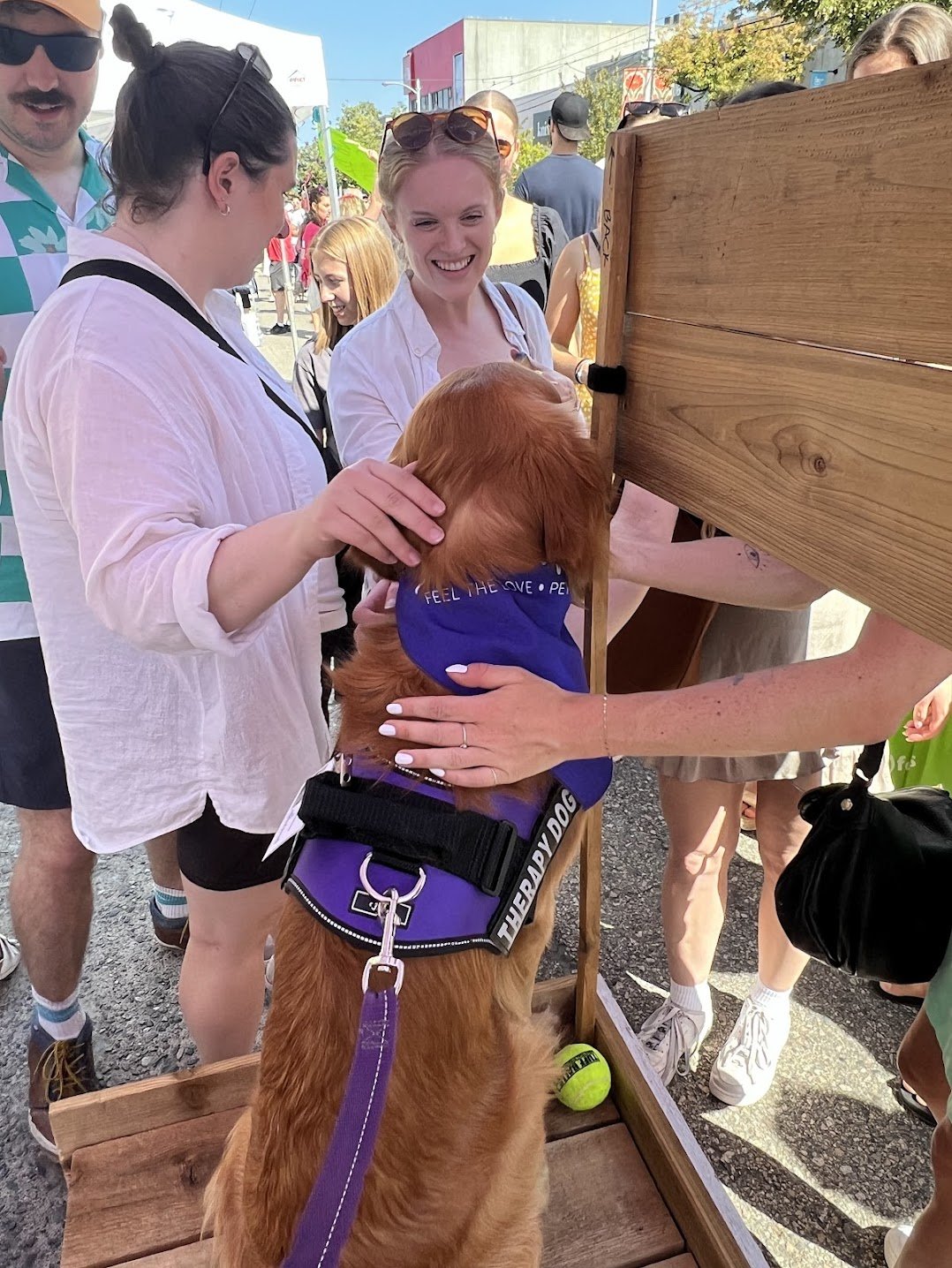
He has spent many hours training for therapy dog work. Parker passed a therapy dog assessment through Pets & Friends, a volunteer pet therapy organization, where we have offered comfort and companionship together in community settings. He also passed the American Kennel Club’s Canine Good Citizen test and has even worked on film sets, including a small appearance in a PetSmart Ad.
Parker’s Role in Therapy
Parker’s role is rooted in presence. His calm, steady energy helps soften the room, support nervous system regulation, and offer quiet companionship. With younger clients, he might be a little more interactive through touch, gentle play, or movement. He often seems to sense when someone needs closeness and responds with head smushes, leaning in for grounding cuddles, or occasionally sharing an uninvited but well-meant kiss.
When you first meet him, you might get a warm greeting that includes soft tail wags and his happy growl. After that initial excitement, he typically finds a comfortable spot nearby and settles in. One of his greatest joys is simply being close to people, offering comfort in a way that is both natural and, at times, absolutely ridiculous.
Parker facts you did not ask for but are getting anyway
Believes attention shortages are a personal attack
Prefers poop breaks with a view, ocean if possible (will negotiate)
Occasionally shows affection through surprise burps to your face
Snacks on grass like I eat popcorn and regrets it every time
Thinks everyone wants to see the very big stick he just found
Communicates love by smushing his entire head into you.
Why Dogs in Therapy?
If you’re curious about how dogs like Parker support therapy, I wrote a blog post exploring the role of canine-assisted therapy and the healing power of the human-animal bond. Give it a read if you're wondering why some people find it easier to open up with a dog nearby, or how Parker might be part of your journey.

How Does Parker Show Up in Session?
Every session is different, and Parker tends to take the lead from you. This short video gives a little glimpse into how Parker is integrated into in-person sessions. He’s attuned, respectful (mostly…aside from wanting to be as close as possible), and always happy to be part of the process in whatever way feels supportive.
“Dogs have a way of finding people who need them, filling an emptiness we don’t even know we have.”
—Thom Jones






Curious about working together?
Let’s connect and talk it through.